
5 Kitchen Organization Ideas That Reduce Food Waste (and Save Money!)
If you’re like most families, you’re probably throwing away more food than you realize. The average American household wastes approximately $1,500 worth of food every year. That’s not just groceries in the trash—it’s hard-earned money going straight into the garbage bin.
The culprit? Poor kitchen organization. When you can’t see what you have, don’t know when things expire, or struggle to keep track of leftovers, food waste becomes inevitable. The good news is that with a few simple organization strategies, you can dramatically reduce waste and keep more money in your pocket.
In this post, we’ll share five practical kitchen organization ideas that will help you reduce food waste, save money, and create a more efficient cooking space. Let’s dive in!
1. Label Everything with Dissolvable Food Labels
The single biggest change you can make to reduce food waste is to start labeling everything in your kitchen. When you know what you have and when it was opened or prepared, you’re far less likely to let food go bad.
The problem with traditional labels? They leave that annoying sticky residue that ruins your containers. After just a few uses, your nice glass jars and plastic containers are covered in gooey residue that takes forever to scrub off. This actually discourages people from labeling, which leads back to food waste.
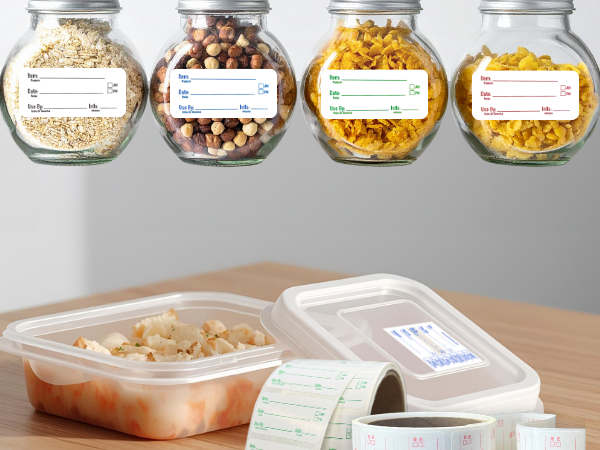
That’s why I switched to dissolvable food labels, and it’s made a massive difference in my kitchen organization. Out of all the labeling systems I’ve tried, my favorite is ATL’s Dissolvable Food Labels.
I use these labels on absolutely everything: opened packages in the pantry, leftover containers in the fridge, meal prep for the week, items in the freezer, baby food storage, and even canning jars for homemade preserves.
Since I started labeling consistently, my food waste has dropped by about 30%. That’s over $400 back in my pocket every year, just from knowing what I have and when to use it. Plus, I save time because I’m not digging through containers trying to figure out what’s inside.
The labels work on all surfaces—plastic, metal, and glass—and they handle both warm and cold temperatures with no problem. They’re perfect for fridge, freezer, and pantry use.
2. Organize Your Fridge by Zones
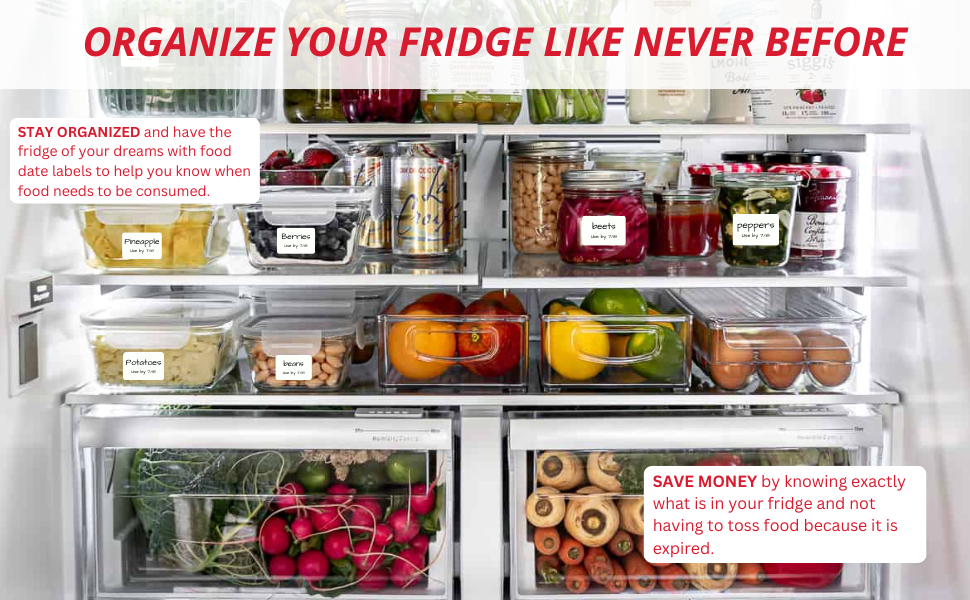
Your refrigerator is probably the biggest source of food waste in your kitchen. When items get pushed to the back and forgotten, they spoil before you remember they’re there. Creating designated zones in your fridge helps you see everything you have and use it before it goes bad.
Top shelves: Store leftovers and ready-to-eat foods here. These should be at eye level so you see them first and remember to eat them.
Middle shelves: Keep dairy products like milk, yogurt, and cheese in this zone. These items are used regularly and benefit from consistent temperatures.
Bottom shelves: This is the coldest part of your fridge, making it perfect for raw meat and fish. Store these items in sealed containers to prevent cross-contamination.
Door: Despite popular belief, the door is the warmest part of your fridge due to frequent opening. Store condiments, juices, and other items that are more stable here. Avoid putting milk or eggs in the door.
Crisper drawers: Use one drawer for fruits and one for vegetables. Many people mix them, but fruits release ethylene gas that can make vegetables spoil faster.
The key to making zones work is visibility. Use clear containers and label everything so you can quickly see what you have. When you open your fridge, you should be able to spot items that need to be used soon within seconds.
3. Implement First In, First Out (FIFO)
This restaurant industry trick is one of the most effective ways to reduce waste. The concept is simple: always use older items before newer ones.
Here’s how to implement FIFO in your home kitchen:
Date everything when you bring it home. Take 30 seconds when unpacking groceries to label items with purchase dates. When you open a package or make leftovers, label them immediately with the prep date.
Stock from the back. When you buy new groceries, put them behind the older items you already have. This forces you to grab the older items first.
Create a “use first” basket. Dedicate one shelf or drawer in your fridge to items that need to be eaten soon. Check this area first when planning meals.
Do weekly fridge checks. Every Sunday (or whatever day works for you), spend 5 minutes checking dates and moving items that need attention to your “use first” zone.
This system only works if you’re actually tracking dates. That’s why having a reliable labeling system is so important. With proper date labeling, you’ll always know what needs to be used first, preventing waste and saving money.
4. Store Food Properly to Extend Shelf Life
How you store food dramatically impacts how long it lasts. Many people unknowingly store items incorrectly, leading to premature spoilage and unnecessary waste.
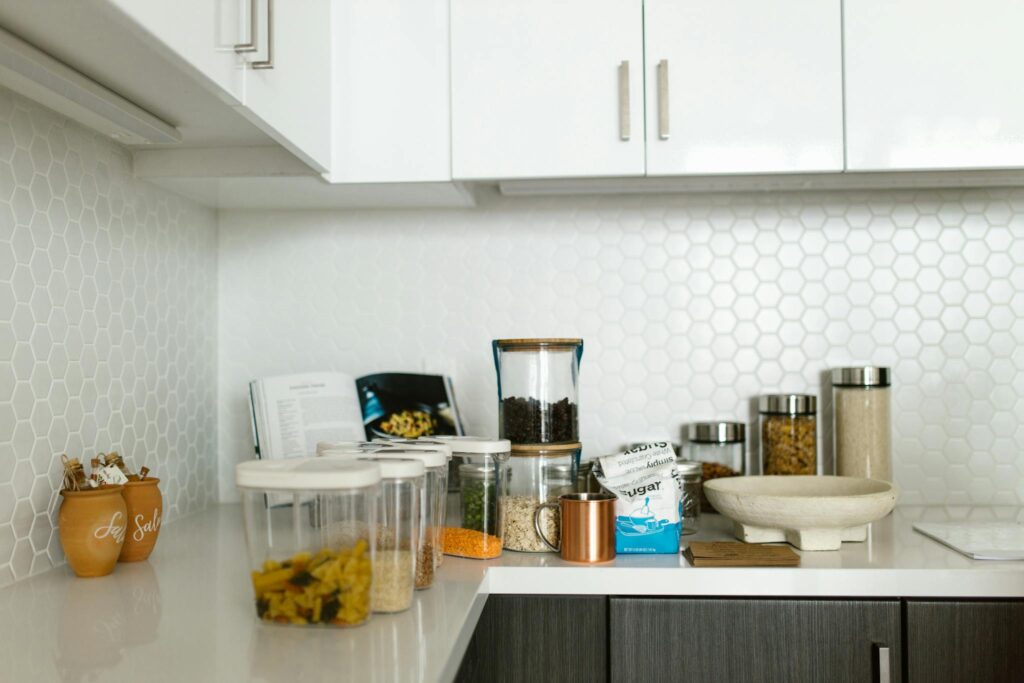
Use airtight containers for opened items. Once you open a package of flour, rice, cereal, or crackers, transfer it to an airtight container. This keeps food fresher much longer and prevents pantry pests.
Store herbs like flowers. Fresh herbs last much longer when treated like cut flowers. Trim the stems and place them in a jar with water, then cover loosely with a plastic bag and refrigerate.
Keep onions and potatoes separate. Onions release gases that cause potatoes to sprout faster. Store them in different areas of your pantry.
Freeze what you won’t use. If you have fresh herbs, bread, or other items you won’t use within a few days, freeze them immediately instead of letting them spoil in the fridge. Label everything before freezing so you know what it is and when it was frozen.
Learn proper produce storage. Some fruits and vegetables prefer the counter (tomatoes, bananas, avocados until ripe), while others need refrigeration (berries, leafy greens, carrots). Understanding where each item belongs can dramatically extend its life.
The better you store food, the longer it lasts. And the longer it lasts, the less you waste. It’s that simple.
5. Meal Plan Around What You Have
One of the biggest contributors to food waste is buying groceries without considering what you already have at home. You come home from the store with a full cart, only to realize you forgot about the vegetables in the crisper or the chicken in the freezer.
The solution? Meal plan around your existing inventory first, then shop for only what you need.
Start with a fridge and pantry inventory. Before planning your weekly meals, take 5 minutes to see what you already have. Check expiration dates and note items that need to be used soon.
Plan meals using those items first. If you have chicken that needs to be cooked, plan chicken-based meals. If you have vegetables about to go bad, plan stir-fries or soups.
Make a specific shopping list. Only buy what you need for the meals you’ve planned, plus a few staples. Avoid impulse purchases that might go to waste.
Prep what you can. When you get home from the store, wash and chop vegetables, portion meat, and do basic prep work. When ingredients are ready to use, you’re more likely to actually use them.
Use the “eat first” system. Designate Sunday (or your preferred day) as leftover day. Before buying more groceries, eat through what you have. This prevents the fridge from getting overcrowded and things getting lost.
This approach requires knowing what you have, which brings us back to organization and labeling. When everything in your kitchen is clearly labeled and organized, creating an inventory takes just a few minutes. You can see at a glance what needs to be used and plan accordingly.
The Bottom Line: Organization Prevents Waste
These five kitchen organization ideas work together to create a system that naturally reduces food waste:
You label everything so you know what you have and when to use it. You organize your fridge by zones so nothing gets lost. You implement FIFO so older items get used first. You store food properly to maximize shelf life. And you meal plan around what you already have instead of over-buying.
The result? Significantly less food waste and more money in your pocket. Most families who implement these strategies report saving $30-50 per month on groceries—that’s $360-600 per year—just from wasting less food.
The foundation of all these strategies is proper labeling. You can’t organize what you can’t identify, and you can’t track dates on items you haven’t labeled. That’s why starting with a good labeling system is so important.
If you’re serious about reducing food waste in your kitchen, start with dissolvable food labels. They’re affordable (less than a penny per label), eco-friendly, and they solve the sticky residue problem that makes people avoid labeling in the first place.
Your kitchen—and your wallet—will thank you!